310 E. University Dr Granger, IN 46530

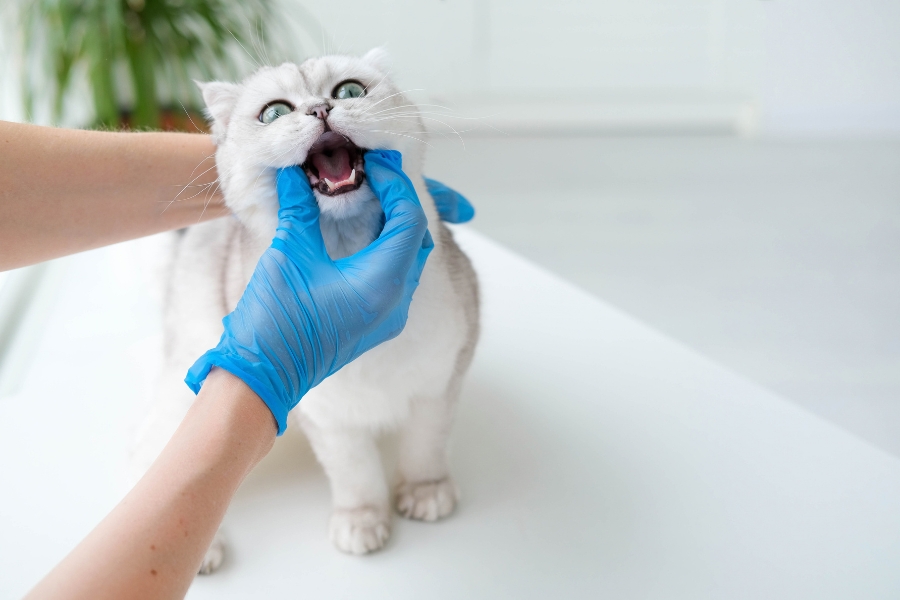
Bad breath in pets can sometimes indicate an underlying oral health issue or another medical condition that needs attention. At University Park Veterinary Hospital, we help pet owners from Granger and nearby understand the causes of changes in their pet’s breath and the importance of early care.
While occasional odor after eating something unusual can happen, persistent bad breath should not be ignored. It may be your pet’s way of showing that something is wrong inside the mouth or body.
Is Bad Breath in Pets Normal?
A mild odor from your pet’s mouth can occur occasionally, but strong or ongoing bad breath is not considered a normal part of aging. In many cases, the smell develops because bacteria, plaque, and tartar build up around the teeth and gums.
Dental problems are among the most common causes of unpleasant breath in pets. When bacteria remain on the teeth, they can irritate the gums and contribute to inflammation, discomfort, and other oral issues.
Understanding the reason behind your pet’s bad breath can help you take action before the problem becomes more serious.
Common Reasons Your Pet Has Bad Breath
Plaque and tartar buildup
After your pet eats, bacteria can combine with food particles and form plaque on the teeth. If plaque is not removed, it can harden into tartar, creating a surface where more bacteria can collect.
This buildup may lead to gum irritation, dental problems, and noticeable changes in breath. Regular pet dental care helps reduce plaque accumulation and supports healthier teeth and gums.
Gum disease and oral infections
Periodontal disease is a common dental condition in dogs and cats. It affects the tissues around the teeth and may cause symptoms such as:
- Bad-smelling breath
- Red or swollen gums
- Trouble chewing
- Dropping food while eating
- Changes in appetite
- Loose teeth
Some pets continue eating normally even when they have dental discomfort, making regular oral examinations important for early detection.
A damaged or painful tooth
A cracked or infected tooth, or another dental injury, can allow bacteria to grow in hard-to-see areas. This may create a strong odor and may also cause your pet to avoid chewing on one side of the mouth.
Cats and dogs often hide pain, so changes in eating habits, behavior, or breath should be evaluated carefully.
Health conditions beyond the mouth
Although dental problems are a frequent cause, bad breath can sometimes be linked with other health concerns. Certain conditions affecting digestion, metabolism, or internal organs may contribute to unusual breath odors.
Because many different issues can cause similar symptoms, a veterinary examination is needed to understand the possible cause.
Signs That Your Pet’s Bad Breath Needs Veterinary Attention
Pet owners should schedule a veterinary visit if bad breath is accompanied by:
- Bleeding gums
- Facial swelling
- Difficulty eating or chewing
- Excessive drooling
- Pawing at the mouth
- Loose teeth
- Weight loss
- Sudden changes in behavior
A sudden worsening of symptoms, severe swelling, or signs of significant pain may require more prompt veterinary attention.
How Veterinarians Evaluate Bad Breath in Pets
A veterinary examination usually begins with an assessment of your pet’s mouth, teeth, gums, and overall health. The veterinarian may look for signs of plaque, gum inflammation, damaged teeth, or other abnormalities.
Depending on what is found, additional steps may be recommended to understand the condition of the teeth below the gumline. Dental evaluations allow veterinarians to identify concerns that may not be visible during a regular home inspection.
Dr. S. Vogl helps pet owners understand their pets’ oral health needs and provides guidance on maintaining healthier mouths through proper preventive care and professional evaluation.
How Pet Owners Can Support Better Oral Health
Daily habits can play an important role in protecting your pet’s teeth and gums. Helpful steps may include:
- Scheduling routine veterinary examinations
- Using veterinarian-approved dental products
- Brushing your pet’s teeth when recommended
- Monitoring changes in breath, eating habits, or behavior
- Following professional recommendations for dental maintenance
Home care supports oral health, but it cannot replace professional evaluations when dental problems are present.
If you notice ongoing breath changes or signs of discomfort, contact our veterinary hospital to discuss your pet’s needs and determine whether an examination is appropriate.
Why Professional Dental Care Matters for Your Pet
Bad breath is often one of the first noticeable signs that your pet may need attention. Addressing oral health concerns early can help prevent discomfort and allow veterinarians to identify problems before they progress.
At University Park Veterinary Hospital, our team provides pet dental care and treatment guidance to help pets maintain healthier smiles and improved comfort. If your pet has persistent bad breath or other signs of oral issues, contact us to schedule a visit.
Don’t wait for dental concerns to worsen. Schedule an appointment for a professional dental evaluation and personalized care for your pet.
FAQs
Q1. Why does my dog or cat suddenly have bad breath?
Sudden bad breath can result from changes in oral bacteria, dental problems, something your pet has eaten, or other health concerns. A veterinary examination can help determine the possible cause.
Q2. Can bad breath mean my pet has dental disease?
Yes, persistent bad breath can be a sign of dental disease, especially when accompanied by gum redness, tartar buildup, changes in chewing, or discomfort. University Park Veterinary Hospital can evaluate your pet’s oral health and recommend appropriate care.
Q3. How often should my pet receive dental checkups?
The frequency of dental examinations depends on your pet’s age, health history, and oral condition. Regular veterinary visits help identify dental concerns before they become more advanced.
Q4. What can I do at home to prevent bad breath in my pet?
Routine brushing, veterinarian-approved dental products, and regular checkups can support healthier teeth and gums. University Park Veterinary Hospital can guide you on safe home care options for your pet.
Q5. When should I take my pet to a veterinarian for bad breath?
Schedule an appointment if bad breath persists, worsens, or is accompanied by symptoms such as difficulty eating, swelling, drooling, or changes in behavior.
Q6. Can older pets have more dental problems?
Older pets may be at higher risk of dental issues, but pets of any age can experience oral health problems. University Park Veterinary Hospital recommends regular evaluations to monitor your pet’s changing needs.