310 E. University Dr Granger, IN 46530

A pet that stops chewing favorite treats, walks away from meals, or loses interest in chew toys may not simply be getting older or becoming picky. Sometimes, these small changes are signs of dental discomfort. Since dogs and cats cannot explain when their mouths hurt, changes in everyday behavior may be the first clues that something is wrong.
For families in Granger, IN, recognizing these changes can help identify dental concerns before they interfere further with a pet’s comfort. Dental disease can affect more than teeth and gums. Oral pain may influence eating, grooming, play, sleep, and interactions with family members.
Consistent pet dental care helps support your companion’s comfort and overall well-being. Understanding how dental problems affect daily routines can help you recognize when a veterinary examination may be needed.
How Can Dental Problems Change a Pet’s Daily Behavior?
Dental problems can make ordinary activities uncomfortable. A pet with sore gums, a damaged tooth, or periodontal disease may change how they eat, play, groom, and respond to touch. These changes are not always dramatic, which makes it helpful to pay attention to patterns rather than waiting for obvious signs of pain.
Changes in Eating Habits
One of the most noticeable effects of dental discomfort is a change in the way a pet eats. A dog may chew more slowly, drop kibble, avoid hard treats, or favor one side of the mouth. A cat may approach the food bowl but hesitate, prefer softer food, or leave meals unfinished.
Some pets continue eating despite oral pain, so a normal appetite does not rule out dental disease. Watch for changes in chewing, food preferences, and mealtime behavior.
Less Interest in Play and Chewing
Chewing is part of normal play for many dogs, while cats may use their mouths when playing with toys. A painful tooth or inflamed gum tissue can make these activities uncomfortable.
Your pet may stop carrying toys, avoid tug games, or lose interest in chew treats. If a normally playful companion becomes less engaged, consider whether discomfort could be contributing to the change.
Changes in Grooming and Self-Care
Cats often groom themselves throughout the day. Oral discomfort may make grooming less comfortable, potentially leaving the coat looking unkempt. Some cats may also drool more or rub their faces.
Dogs may show similar signs of discomfort by pawing at the mouth or resisting when someone touches their face. These behaviors can have several causes, but persistent changes deserve attention.
Restlessness, Irritability, or Withdrawal
Ongoing dental pain can affect how a pet behaves around people and other animals. A normally affectionate pet may become less interested in being touched around the head, while another may withdraw, sleep more, or seem unusually irritable.
These changes do not automatically indicate dental disease. However, when they occur alongside bad breath, drooling, or eating difficulties, an oral health evaluation may be helpful.
What Dental Problems Can Affect Quality of Life?
Several oral health conditions can interfere with a pet’s comfort:
- Periodontal disease: Plaque and tartar buildup can cause gum inflammation and damage the tissues supporting the teeth. Advanced disease may lead to loose or missing teeth.
- Broken teeth: Chewing hard objects or experiencing an injury can fracture a tooth, sometimes exposing sensitive inner tissue.
- Tooth resorption in cats: This condition gradually damages tooth structure and can cause significant discomfort.
- Oral infections: Infections around damaged teeth or diseased gums may cause swelling, pain, and difficulty eating.
Some problems develop below the gumline, where they cannot be seen during a quick look inside the mouth. A veterinary dental examination and appropriate dental X-rays can help identify concerns that are otherwise difficult to detect.
How Can You Support Your Pet’s Dental Health?
Home care and professional veterinary attention work together to support oral health. Regular brushing with a pet-specific toothbrush and toothpaste can help reduce plaque. Never use human toothpaste, as some ingredients may be unsafe for pets.
You can also ask your veterinarian about suitable dental diets, chews, and products designed for dogs or cats. Avoid very hard objects, such as antlers and bones, because they can fracture teeth.
Routine oral examinations are equally important. At University Park Veterinary Hospital, dental care includes professional cleanings and full-mouth digital dental radiographs to evaluate tooth roots and areas beneath the gumline. The veterinary team can recommend care based on your pet’s individual oral health needs.
When Should You Contact a Veterinarian?
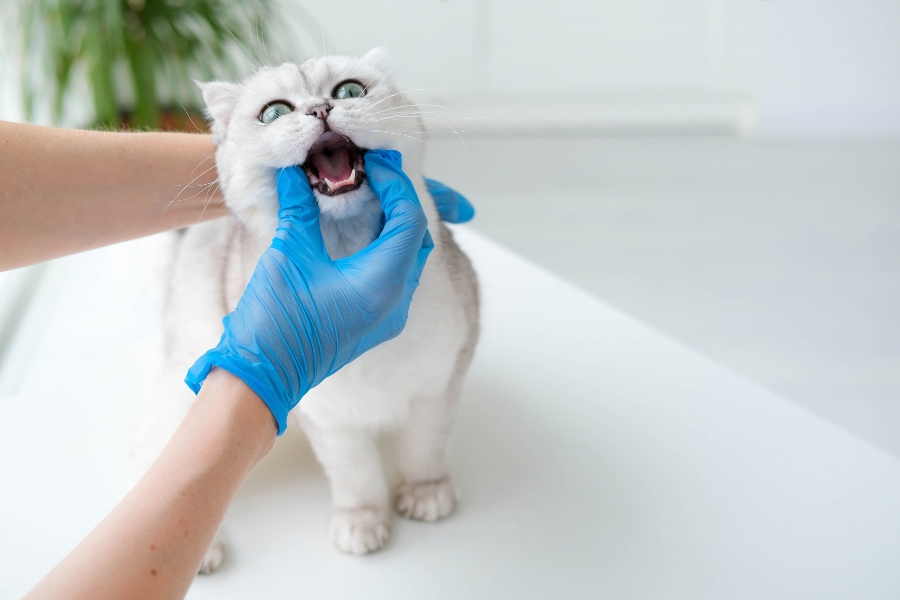
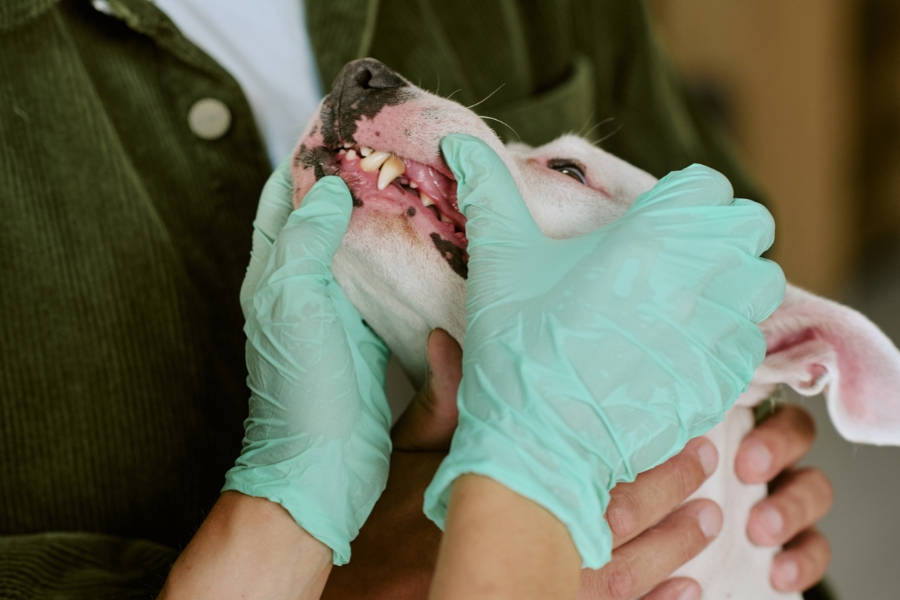
Arrange a dental examination if you notice persistent bad breath, red or bleeding gums, visible tartar, excessive drooling, difficulty chewing, or changes in eating habits. A broken or loose tooth should also be evaluated.
Facial swelling, significant bleeding from the mouth, severe pain, or an inability to eat requires prompt veterinary attention. Do not try to treat a painful tooth at home or give human pain medication.
A change in your pet’s daily routine can sometimes reveal more than you might expect. Skipping a favorite treat, avoiding toys, grooming less, or becoming uncomfortable with face touches may be clues that oral health needs attention. Recognizing these differences can help you seek care before discomfort has a greater effect on everyday life.
For pet owners in Granger, we provide dental examinations, professional cleanings, and dental imaging for dogs and cats. If your pet is showing changes that could be related to oral discomfort, schedule a dental examination to discuss appropriate care.
Frequently Asked Questions
Q1. Can dental problems make my pet stop playing?
Ans: Yes. Oral pain can make chewing toys, carrying objects, or playing tug uncomfortable. A sudden loss of interest in these activities may be worth discussing with your veterinarian, especially if other dental signs are present.
Q2. Why does my pet have bad breath even though they eat normally?
Ans: Persistent bad breath may be associated with plaque, tartar, gum inflammation, or dental infection. Pets can continue eating despite oral discomfort, so normal appetite does not rule out a dental problem.
Q3. Can dental disease affect a pet’s mood or behavior?
Ans: Yes. Ongoing oral discomfort may contribute to irritability, withdrawal, restlessness, or reluctance to be touched around the face. These behaviors can have other causes, so a veterinary examination can help identify what is happening.
Q4. What dental care does University Park Veterinary Hospital provide?
Ans: University Park Veterinary Hospital offers professional dental cleanings, oral examinations, and full-mouth digital dental radiographs to help evaluate a pet’s teeth and supporting structures.
Q5. How can I help maintain my pet’s dental health between veterinary visits?
Ans: Regular brushing with pet-safe toothpaste, appropriate dental products, and routine veterinary examinations can help support oral health. Ask your veterinarian which home care options are suitable for your pet.