310 E. University Dr Granger, IN 46530

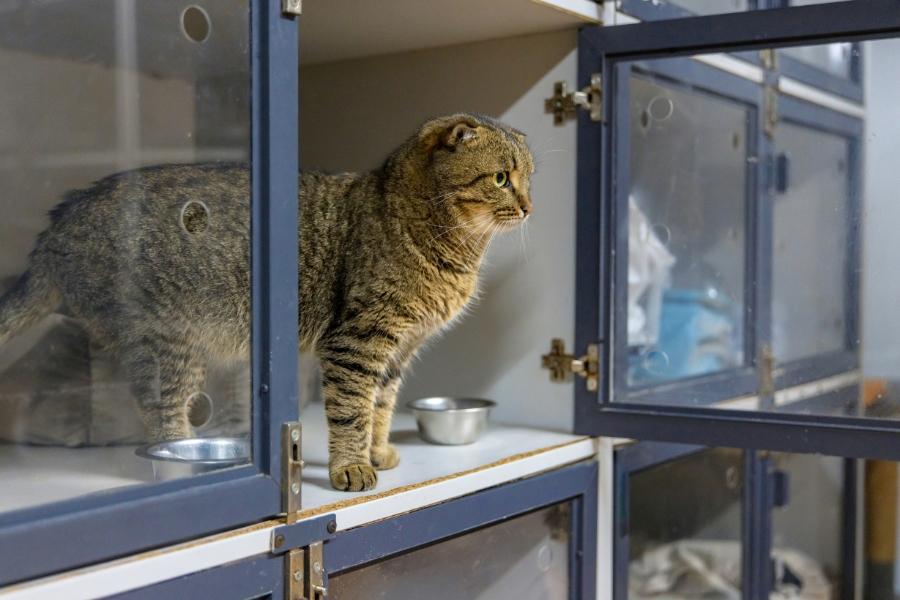
A pet that suddenly becomes quiet, restless, withdrawn, or unusually vocal may be trying to tell you something. While occasional behavior changes can happen for simple reasons, a sudden or persistent change may sometimes be connected to pain, illness, injury, or another health concern. At University Park Veterinary Hospital, we help pet owners recognize changes that may deserve closer attention.
For families in Granger, IN, understanding your pet’s normal habits can make it easier to notice when something feels different. A change in appetite, sleep, activity, social behavior, or comfort may provide useful clues about your pet’s health, especially when several changes happen at once.
Knowing when urgent pet care may be appropriate can help you respond promptly without assuming that every unusual behavior is an emergency. Paying attention to the timing, severity, and other symptoms can help you decide when your pet should be evaluated by a veterinarian.
What Sudden Pet Behavior Changes Should You Take Seriously?
A sudden behavior change deserves attention when it is unusual for your pet, appears without an obvious explanation, persists, or occurs alongside physical symptoms.
Dogs and cats may respond to discomfort differently. Some become withdrawn or less active, while others may become restless, clingy, vocal, or unusually irritable. Because behavior alone cannot identify the cause, a veterinary evaluation may be appropriate when the change is significant or persistent.
Which Behavior Changes May Signal a Health Problem?
Suddenly Becoming Very Quiet or Withdrawn
If a normally social pet suddenly hides, avoids interaction, sleeps much more than usual, or seems uninterested in normal activities, something may be wrong.
Fatigue or withdrawal can occur for many reasons, including illness, pain, stress, or changes in the environment. If the behavior is sudden or continues, contact your veterinarian for guidance.
Restlessness or Inability to Get Comfortable
Pacing, repeatedly changing positions, whining, or having trouble settling down may sometimes indicate discomfort.
A pet that cannot seem to find a comfortable position may need veterinary attention, particularly if the behavior is accompanied by panting, trembling, vomiting, changes in appetite, or other unusual symptoms.
Sudden Aggression or Irritability
A normally friendly pet that suddenly snaps, growls, or avoids being touched may be experiencing pain or discomfort. Behavioral changes can also have other causes, so it is important not to assume that aggression is simply a training issue.
Avoid forcing interaction with a pet that appears uncomfortable. Give them space and speak with your veterinary team about the change.
Excessive Vocalization
Unexpected whining, crying, yowling, or repeated barking can sometimes indicate distress or discomfort. Cats, in particular, may become more vocal when something is wrong.
Consider whether the behavior is accompanied by changes in eating, drinking, litter box use, movement, or breathing. Those additional details can help your veterinarian understand what may be happening.
Hiding or Avoiding Normal Activities
Cats may hide when they are not feeling well, while dogs may suddenly lose interest in walks, toys, or family interaction.
A single quiet afternoon may not be concerning, but a noticeable change from your pet’s normal routine is worth monitoring, especially when there are other symptoms.
What Other Signs Should You Watch For?
Behavioral changes become more concerning when they occur with physical symptoms. Watch for changes such as:
- Loss of appetite or difficulty eating
- Repeated vomiting or diarrhea
- Trouble breathing
- Sudden weakness or collapse
- Difficulty walking or severe lameness
- Excessive panting without an obvious reason
- Changes in urination
- Swollen abdomen
- Signs of significant pain
These symptoms do not necessarily point to one specific condition, but they can indicate that your pet needs professional evaluation.
Keeping track of when the behavior started and what other changes you have noticed can give your veterinarian useful information.
When Is Urgent Pet Care Appropriate?
Urgent pet care may be appropriate when a sudden behavior change occurs with significant or rapidly worsening symptoms. Examples include difficulty breathing, collapse, severe pain, uncontrolled bleeding, repeated vomiting, major weakness, or a sudden inability to walk normally.
If your pet has a serious or rapidly changing symptom, contact a veterinary professional promptly rather than waiting to see whether the behavior resolves on its own.
For less urgent changes, scheduling a regular [pet wellness examination] can still be valuable. A veterinarian can assess your pet and determine whether additional testing or treatment may be needed.
How Can You Monitor Your Pet at Home?
Pay attention to your pet’s normal habits so that unusual changes are easier to recognize. Look at their appetite, water intake, energy level, sleep, bathroom habits, mobility, and interaction with people or other animals.
You can also write down when a behavioral change began and whether it is becoming more frequent or severe. If possible, a short video of unusual behavior may provide helpful context for your veterinary team.
Avoid giving medications or attempting to treat an unexplained behavioral change on your own. The appropriate response depends on the underlying cause.
When Should You Contact a Veterinarian?
Contact your veterinarian if your pet’s behavior changes suddenly and does not return to normal, particularly if the change is accompanied by physical symptoms.
If you are in Granger, IN, veterinary evaluation can help determine whether a behavior change is related to an underlying health concern, pain, injury, or another issue. If symptoms appear severe or rapidly worsen, seek urgent veterinary attention.
You can also support your pet’s overall health through regular [preventative veterinary care], which provides opportunities to identify changes before they become more serious.
A pet may not be able to tell you that something hurts or that they do not feel well, but their behavior can sometimes provide an important clue. A dog that suddenly hides under the bed, a cat that becomes unusually quiet, or a normally relaxed pet that cannot settle may be showing a change worth paying attention to. These signs do not always mean an emergency, but noticing what is different and how quickly it developed can help you decide when veterinary guidance is needed.
If your pet’s behavior changes suddenly or you notice other concerning symptoms, call us at 574-277-9900 to discuss what you are seeing.
Schedule an appointment for an evaluation of your pet’s health and behavior.
Frequently Asked Questions
Q1. Can a sudden behavior change mean my pet is sick?
Ans: Yes. A sudden change can sometimes be associated with pain, illness, injury, or another health concern. Stress and environmental changes can also affect behavior.
Q2. Should I be concerned if my pet suddenly hides?
Ans: Hiding can be normal occasionally, particularly for cats, but sudden or persistent hiding may warrant attention when it is unusual for your pet or occurs with other symptoms.
Q3. When is a behavior change considered an emergency?
Ans: A behavior change accompanied by difficulty breathing, collapse, severe pain, uncontrolled bleeding, repeated vomiting, extreme weakness, or another serious symptom may require prompt veterinary attention.
4. What can I expect during a veterinary visit at University Park Veterinary Hospital?
The veterinary team will review your pet’s health history, discuss the changes you have noticed, and perform an examination to better understand what may be affecting your pet. Depending on the findings, additional testing or treatment may be recommended.
5. Does University Park Veterinary Hospital care for both dogs and cats?
Yes. University Park Veterinary Hospital provides veterinary care for both dogs and cats. The team can help with routine health needs as well as concerns that develop when a pet’s behavior, appetite, activity, or comfort suddenly changes.