310 E. University Dr Granger, IN 46530

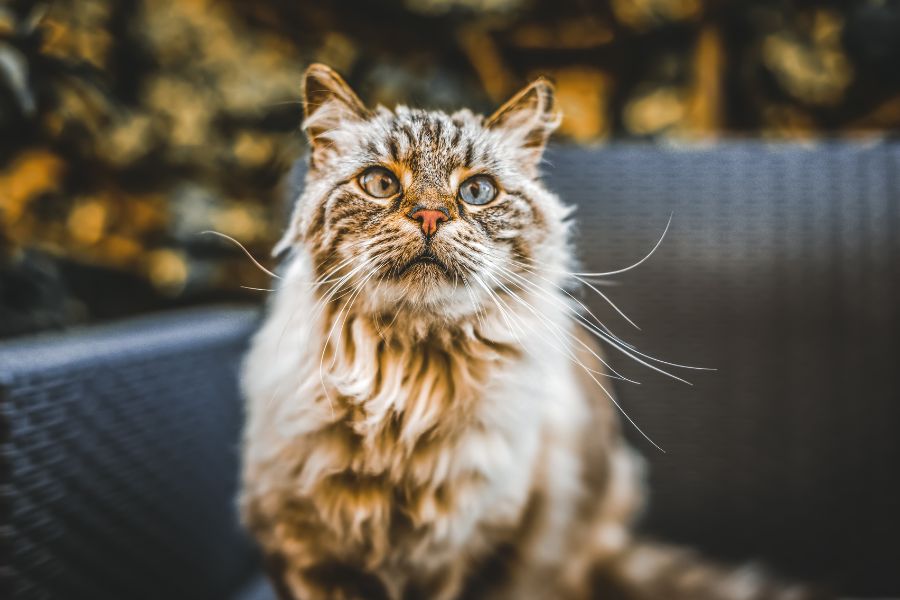
Watching a dog or cat grow older can be bittersweet. You may notice that your pet sleeps more, moves a little slower, or is less interested in activities they once loved. Some changes are expected with age, but others can signal that your pet’s health needs closer attention.
For pet owners in Granger, IN, recognizing these changes can help you adjust your pet’s routine and veterinary care at the right time. Older pets often benefit from more careful monitoring because health concerns can develop gradually and may not be obvious at first.
Senior pet care should focus on maintaining comfort, monitoring health, and adapting care as your dog or cat’s needs change. From wellness examinations and nutrition to dental health and mobility, several areas deserve extra attention as your pet enters their senior years.
What Should Change as Your Pet Gets Older?
Senior pets generally benefit from more consistent health monitoring and individualized care. Their diet, exercise routine, preventive services, and veterinary examination schedule may need to change based on their age, lifestyle, and medical history.
Rather than assuming every new change is simply part of getting older, watch for patterns. Changes in appetite, weight, drinking, bathroom habits, mobility, sleep, or behavior are worth discussing with your veterinarian.
How Often Should a Senior Pet See a Veterinarian?
Older pets may benefit from more frequent veterinary examinations than younger adult pets. The appropriate schedule depends on your pet’s age, health status, and individual risk factors.
Regular examinations give your veterinarian an opportunity to compare your pet’s health over time. Depending on the situation, bloodwork or other diagnostic testing may also be recommended to look for changes that cannot be detected through a physical examination alone.
Watch for Subtle Health Changes
Pets are often good at hiding discomfort, so small changes at home can be meaningful. You may notice your dog hesitating before climbing stairs or your cat no longer jumping onto a favorite surface.
Other changes can include:
- Unexplained weight gain or loss
- Increased thirst or urination
- Changes in appetite
- Bad breath or difficulty eating
- Reduced activity or stamina
- Stiffness or difficulty getting up
- Confusion or changes in nighttime behavior
- New bathroom accidents
Keeping notes about these changes can make it easier to explain what you are seeing during a veterinary visit.
Should Your Senior Pet’s Diet Change?
Nutrition becomes increasingly important as pets age, but there is no single diet that is right for every senior dog or cat. Your veterinarian can consider your pet’s weight, activity level, existing health concerns, and nutritional needs before recommending dietary changes.
Maintaining a healthy body condition is especially helpful for older pets. Excess weight can put additional stress on joints, while unexplained weight loss may deserve veterinary evaluation rather than being dismissed as a normal part of aging.
How Can You Support Mobility and Comfort?
Older pets still need regular activity, but the type and intensity may need to change. Gentle walks, controlled play, and other appropriate activities can help maintain mobility and muscle strength.
Make the home easier to navigate if your pet is becoming less agile. Nonslip surfaces, comfortable bedding, and easier access to food, water, and litter boxes can make everyday activities less demanding.
If your pet appears reluctant to move, struggles with stairs, or has difficulty standing, schedule a veterinary evaluation. These changes may be associated with an underlying condition that deserves attention.
Why Is Dental Care Important for Senior Pets?
Dental health should remain part of your pet’s care throughout life. Plaque and tartar can contribute to gum inflammation, painful dental disease, and other oral health problems.
Watch for bad breath, changes in chewing, dropping food, pawing at the mouth, or reluctance to eat. Routine oral examinations and professional [pet dental care] can help identify problems and support better oral health.
What Preventive Care Does an Older Pet Need?
Senior pets still need appropriate preventive care, including vaccinations and parasite prevention based on their individual lifestyle and risk factors. Your veterinarian can help determine which services remain appropriate as your pet ages.
Routine preventive veterinary care is also a good opportunity to review nutrition, weight, dental health, mobility, behavior, and any new concerns you’ve noticed at home.
For some older pets, additional diagnostic monitoring may be recommended. Testing can provide useful information about internal health and help your veterinarian decide whether further evaluation is appropriate.
When Should You Seek Veterinary Care?
Don’t wait for a routine appointment if your senior pet develops a sudden or significant change. Difficulty breathing, collapse, severe weakness, repeated vomiting, major bleeding, inability to urinate, or signs of severe pain may require prompt veterinary attention.
Less urgent changes can still deserve a conversation with your veterinarian. Persistent changes in appetite, thirst, weight, mobility, behavior, or bathroom habits may have several possible causes and should not automatically be attributed to aging.
Getting older does not mean your dog or cat has to stop enjoying everyday life. Adjusting nutrition, activity, home arrangements, preventive care, dental care, and veterinary monitoring can help address changing needs and support your pet’s comfort. University Park Veterinary Hospital can help families evaluate these changes and develop an appropriate care approach for their aging pets.
If you’ve noticed changes in your older pet or your dog or cat is due for a wellness examination, schedule an appointment to discuss their current health and senior care needs.
Frequently Asked Questions
Q1. At what age is a dog or cat considered a senior?
There is no single age that applies to every pet. Dogs may reach their senior years at different ages depending on breed and size, while cats generally enter their senior years later in adulthood. Your veterinarian can help determine when additional monitoring may be appropriate.
Q2. Is it normal for older pets to sleep more?
Ans: Senior pets often sleep more than younger animals. However, a significant change in energy, activity, or daily behavior can sometimes indicate a health concern and should be discussed with a veterinarian.
Q3. Do senior pets need more veterinary checkups?
Ans: They may. Older pets can develop health changes gradually, so more frequent examinations or diagnostic testing may be recommended based on their individual health and risk factors.
Q4. What does senior pet care at University Park Veterinary Hospital involve?
Ans: Senior care may include wellness examinations, preventive services, nutritional guidance, dental evaluations, mobility discussions, and diagnostic testing when appropriate for the individual pet.
Q5. Can University Park Veterinary Hospital help with age-related changes?
Ans: Yes. A veterinary evaluation can help assess changes in your pet’s appetite, weight, mobility, behavior, or overall health and determine whether additional care may be appropriate.
Q6. Should my senior pet’s diet or exercise routine change?
Ans: Possibly. Older pets may have different nutritional and activity needs. Your veterinarian can help determine whether changes are appropriate based on your pet’s age, body condition, lifestyle, and health.