310 E. University Dr Granger, IN 46530

Bringing your pet home after surgery is a relief, but the recovery period requires some planning. Your dog may want to follow you around the house, or your cat may try to jump onto a favorite windowsill before fully healing. Even familiar activities can put unnecessary strain on a surgical site.
For pet owners in Granger, IN, preparing a comfortable recovery space can make caring for a pet after surgery easier. A few changes to your home can help limit activity, reduce stress, and prevent accidental irritation or injury.
Whether your pet has undergone a routine procedure or a more involved operation, pet surgery is only one part of the process. Proper at-home care is just as important for supporting recovery.
How Should You Set Up a Recovery Space for Your Pet?
Create a quiet, clean, and comfortable area where your pet can rest without needing to climb stairs, jump onto furniture, or interact constantly with other animals. The space should allow easy access to water, bedding, and bathroom facilities.
Choose a Quiet, Comfortable Resting Area
Select a familiar spot away from busy hallways, loud noises, and frequent household activity. Use clean, supportive bedding that your pet can easily get on and off.
For dogs, a small room or appropriately sized crate may help limit movement if your veterinarian recommends confinement. For cats, consider a quiet room with food, water, bedding, and a litter box nearby.
Keep the space comfortably warm, but avoid placing heating pads or hot objects directly against your pet unless specifically instructed by your veterinarian.
Make Movement Easier and Safer
Jumping, running, and climbing can interfere with healing, particularly after abdominal or orthopedic procedures.
Consider these adjustments:
- Block access to stairs and elevated furniture.
- Use gates to restrict access to certain rooms.
- Keep food and water bowls within easy reach.
- Provide a low-sided litter box for cats if needed.
- Take dogs outside on a short leash for controlled bathroom breaks.
Follow the activity restrictions provided by your veterinary team. The appropriate amount of movement depends on the procedure and your pet’s recovery progress.
How Can You Protect the Surgical Incision?
Preventing your pet from licking, chewing, or scratching the incision is essential. These behaviors can irritate the surgical site and interfere with healing.
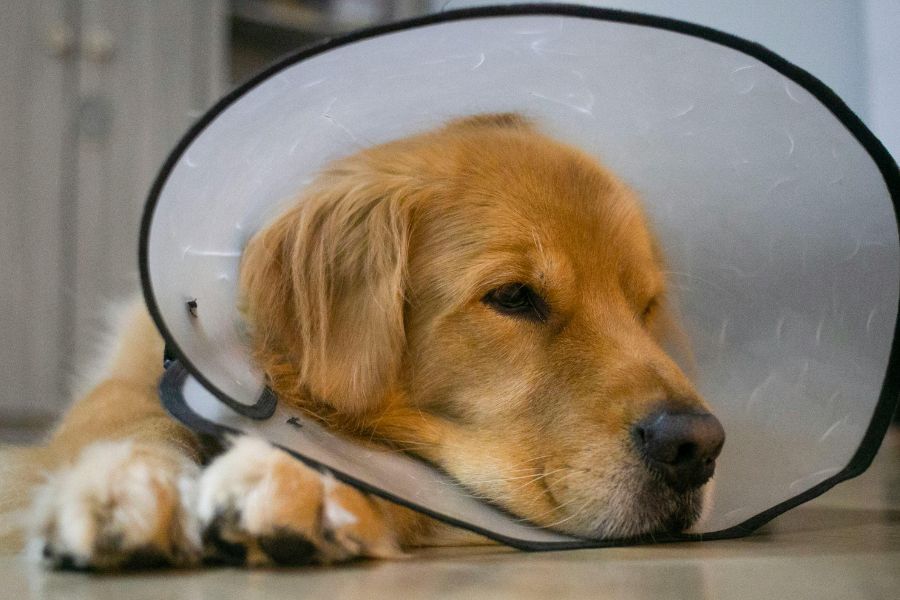
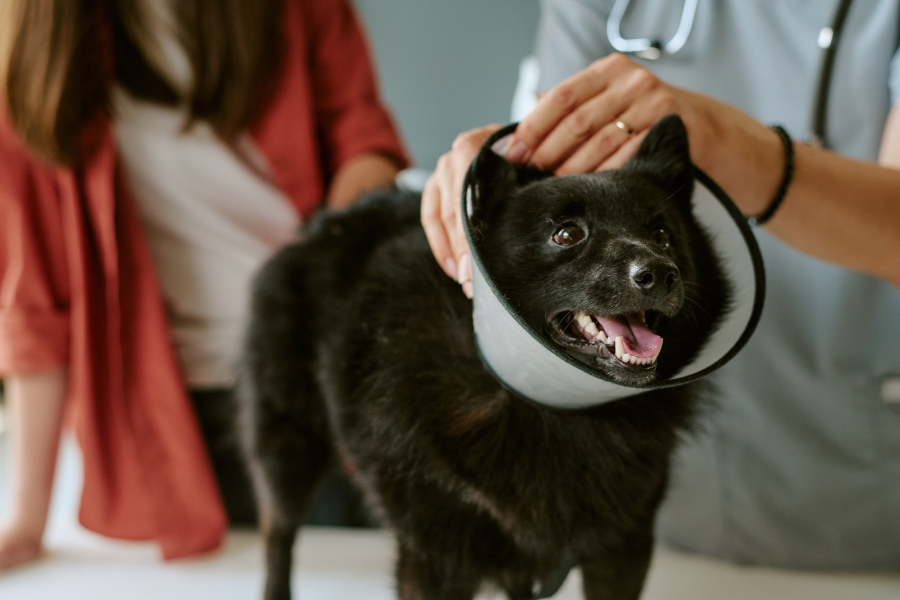
Your veterinarian may recommend an Elizabethan collar, commonly called a cone, or a recovery garment. Make sure your pet wears the recommended protection for the instructed period, even if it seems uncomfortable at first.
Check the incision as directed by the veterinary team. Mild changes may occur during healing, but increasing redness, swelling, discharge, an unpleasant odor, or an opening along the incision should be reported.
Do not apply creams, ointments, alcohol, or peroxide unless your veterinarian specifically recommends them. Avoid bathing your pet or allowing the incision to become wet until you receive clearance.
How Should You Manage Medication and Daily Care?
Give prescribed medications exactly as directed. Pain medication and other treatments may be important for keeping your pet comfortable and supporting recovery.
A written medication schedule can help prevent missed or repeated doses, especially when several family members share caregiving responsibilities. Never give human pain relievers or leftover medication without veterinary approval, as some products can be harmful to pets.
Watch for changes in appetite, energy, bathroom habits, and behavior. Some pets may be quieter than usual after anesthesia, but their condition should generally improve according to the recovery timeline provided by the veterinarian.
University Park Veterinary Hospital incorporates pain management into surgical care and may prescribe additional medication for use at home, depending on the procedure.
How Can You Reduce Stress During Recovery?
Keep your pet’s routine predictable and avoid unnecessary excitement. Limit visitors, discourage rough play, and give your companion space to rest.
If you have other pets, supervise interactions or temporarily separate them. Another animal may unintentionally encourage jumping, chasing, or play before your recovering pet is ready.
Offer food according to your veterinarian’s instructions. If your pet has a reduced appetite after surgery, ask the clinic how long you should monitor the change and when to follow up.
Patience matters. A pet may seem ready to return to normal activities before the surgical site has fully healed. Continue following activity restrictions until your veterinarian approves a gradual return to the usual routine.
When Should You Contact a Veterinarian?
Contact your veterinary team if you notice worsening swelling, bleeding, discharge, persistent vomiting, refusal to eat beyond the expected recovery period, or signs of ongoing discomfort.
Pain can sometimes be subtle. Restlessness, trembling, panting without an obvious cause, hiding, unusual aggression, or difficulty getting comfortable may indicate that your pet needs reassessment.
Seek urgent veterinary attention for difficulty breathing, collapse, severe bleeding, or sudden inability to stand. If you are unsure whether a change is expected, call the clinic rather than adjusting medications or treatment on your own.
A comfortable recovery environment, careful monitoring, and consistent follow-through with your veterinarian’s instructions can help your pet heal after surgery. University Park Veterinary Hospital helps pet owners understand their pet’s post-operative care needs, including pain management, incision monitoring, medication, and activity restrictions. Preparing a quiet resting area and keeping your pet comfortable can make the recovery period easier for both of you.
If your pet is preparing for surgery or needs post-operative care, schedule an appointment. The veterinary team can help you understand your pet’s recovery needs and provide guidance for each stage of healing. A little preparation and the right care can help your pet recover more comfortably at home.
Frequently Asked Questions
Q1. How long should I restrict my pet’s activity after surgery?
Ans: The restriction period depends on the procedure and your pet’s health. Some pets need only a short period of reduced activity, while orthopedic and abdominal surgeries may require several weeks of careful restriction. Follow your veterinarian’s specific timeline.
Q2. Should I let my pet sleep with me after surgery?
Ans: It may be better to provide a separate resting area, especially if your pet might jump on or off the bed. Choose a safe, accessible space that follows the clinic’s activity restrictions.
Q3. How can I tell if my pet is in pain after surgery?
Ans: Possible signs include trembling, panting, whining, hiding, restlessness, reduced activity, or difficulty getting comfortable. Contact your veterinarian if you notice these behaviors or suspect your pet’s pain is not adequately controlled.
Q4. What types of surgery at University Park Veterinary Hospital may require restricted activity at home?
Ans: Procedures such as spays and neuters, abdominal surgery, foreign body removal, fracture repair, and cruciate ligament repair may require activity restrictions. The recovery plan depends on the specific operation.
Q5. Does University Park Veterinary Hospital provide pain management after surgery?
Ans: Yes. Pain management is incorporated into the hospital’s surgical approach. Depending on the procedure, pets may also receive oral pain medication to continue at home.
Q6. What aftercare guidance does University Park Veterinary Hospital provide?
Ans: The hospital provides discharge instructions tailored to the procedure, including guidance on activity restrictions, incision care, medications, and signs that may require veterinary attention.