310 E. University Dr Granger, IN 46530

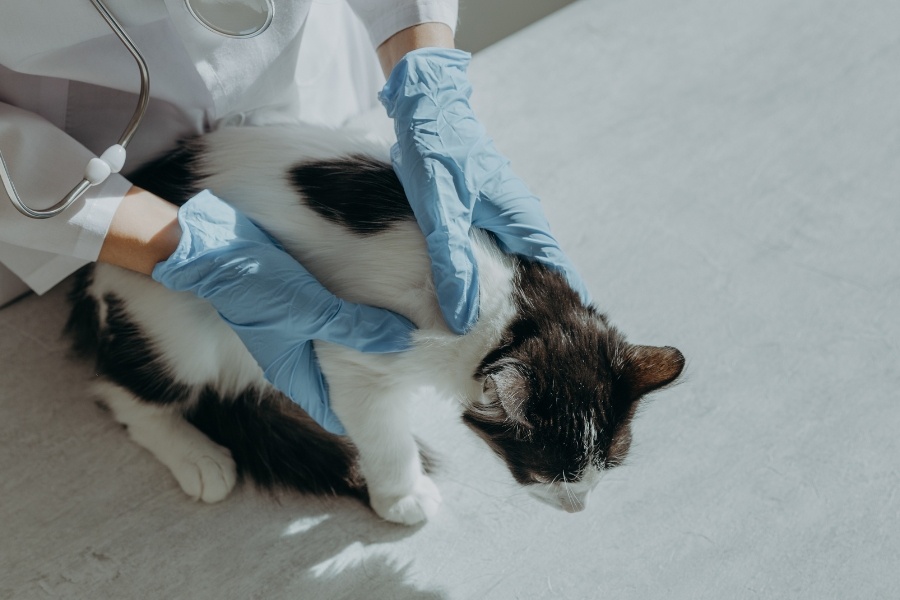
When your pet seems unwell, not knowing what is causing the problem can be worrying. Changes in appetite, low energy, vomiting, or unusual behavior may have several possible explanations. Diagnostic testing helps veterinarians gather information about your pet’s health and determine what steps may be needed next.
At University Park Veterinary Hospital, diagnostic evaluations help support informed decisions about a pet’s health. Depending on your companion’s symptoms and medical history, the veterinary team may recommend laboratory tests, imaging, or other examinations to investigate a concern.
For pet owners in Granger, IN, understanding pet diagnostic care can make veterinary visits feel less overwhelming. Knowing why tests are recommended, how they are performed, and what the results may mean can help you feel more prepared to discuss your pet’s needs.
Why Might a Veterinarian Recommend Diagnostic Testing?
Pets cannot explain where they hurt or how they feel, and some health problems develop gradually. A physical examination gives a veterinarian valuable information, but additional testing may be needed to investigate symptoms or confirm a suspected condition.
Diagnostic testing may be recommended when a pet experiences persistent digestive problems, unexplained weight changes, increased thirst, changes in urination, coughing, or unusual tiredness. Tests can also help veterinarians assess health before certain procedures or monitor an existing condition.
Not every pet needs every test. Recommendations depend on factors such as age, symptoms, medical history, and examination findings.
5 Common Types of Pet Diagnostic Tests
1. Blood Tests
Bloodwork helps veterinarians evaluate different aspects of your pet’s health. A complete blood count can provide information about red blood cells, white blood cells, and platelets. Blood chemistry tests can help assess organ function, blood sugar, and electrolyte levels.
These tests may be recommended when a pet seems unusually tired, has a change in appetite, or needs an assessment before anesthesia. Results can help identify abnormalities that may require further investigation.
2. Urine and Stool Tests
Urine testing can provide information about kidney function, hydration, and possible urinary tract problems. Depending on the findings, additional testing may be needed to investigate infection or other concerns.
Stool testing may help identify intestinal parasites and other causes of digestive symptoms. Your veterinarian may ask you to bring a fresh sample from home, along with information about changes in your pet’s bowel movements.
3. X-Rays
X-rays, also called radiographs, create images of structures inside the body. They can help veterinarians evaluate bones, certain chest conditions, and some abdominal concerns.
For example, an X-ray may be recommended if a pet has an injury, persistent coughing, or suspected ingestion of a foreign object. Some conditions require additional imaging or testing because not every problem is visible on an X-ray.
4. Ultrasound
Ultrasound uses sound waves to create images of internal organs and soft tissues. It may help veterinarians assess structures such as the liver, kidneys, bladder, and abdominal organs.
Unlike X-rays, ultrasound can provide moving images of certain internal structures. Whether it is appropriate depends on your pet’s symptoms and what the veterinarian needs to investigate.
5. Additional Tests When Needed
Depending on the suspected condition, a veterinarian may recommend other tests, such as laboratory cultures, specialized blood tests, or additional imaging. These tests can help investigate findings that routine examinations or initial results do not fully explain.
Your veterinarian should explain why a particular test is recommended and how the results may influence the next steps in your pet’s care.
What Happens During a Diagnostic Appointment?
The process usually begins with questions about your pet’s symptoms, eating habits, activity, medications, and medical history. A physical examination helps the veterinarian assess your pet and determine which tests may be useful.
Some tests involve collecting a small blood, urine, or stool sample. Imaging procedures may require your pet to remain still, and certain examinations may need preparation or mild sedation. Your veterinary team will explain any specific instructions before proceeding.
Once the tests are completed, the veterinarian reviews the findings alongside the examination and medical history. Some results may be available quickly, while others take longer. If findings are unclear, additional testing or follow-up monitoring may be recommended.
How to Prepare Your Pet for Testing
A few simple steps can make the appointment easier:
- Record symptoms: Note when changes began and how often they occur.
- Bring medication details: Include prescribed medicines and supplements.
- Ask about preparation: Confirm whether fasting or a sample collected at home is needed.
- Share recent changes: Mention appetite, thirst, activity, weight, or bathroom habits.
- Prepare questions: Ask what the test can reveal and when results are expected.
Do not withhold food or water unless your veterinarian specifically instructs you to do so.
Diagnostic tests help veterinarians investigate symptoms, assess health, and make informed recommendations for treatment or monitoring. The right tests depend on your pet’s individual needs, and results are most useful when considered alongside a physical examination and medical history.
If your pet has unexplained symptoms or you have questions about recommended testing, schedule an appointment to discuss your concerns and determine the appropriate next steps.
Frequently Asked Questions
Q1. What are the most common diagnostic tests for pets?
Ans: Common tests include bloodwork, urine and stool testing, X-rays, and ultrasounds. The veterinarian recommends tests based on your pet’s symptoms, medical history, and physical examination.
Q2. Can diagnostic testing detect health problems before symptoms appear?
Ans: Some diagnostic tests can identify changes associated with certain health conditions before noticeable symptoms develop. Your veterinarian may recommend testing based on your pet’s age, health history, and individual risk factors.
Q3. What should I do if my pet’s diagnostic test results are normal but symptoms continue?
Ans: Normal results do not always explain ongoing symptoms. Your veterinarian may recommend monitoring, a follow-up examination, or additional testing depending on your pet’s condition.
Q4. How does University Park Veterinary Hospital determine which diagnostic tests a pet needs?
Ans: The veterinary team considers your pet’s symptoms, physical examination findings, age, and medical history to determine which tests may provide useful information.
Q5. Why might University Park Veterinary Hospital recommend follow-up testing?
Ans: Follow-up testing may help monitor changes in your pet’s health, evaluate how a condition is progressing, or clarify results that need further investigation.
Q6. How can the veterinary team help me understand my pet’s diagnostic results?
Ans: The team can explain what the results indicate, discuss any findings that need attention, and outline appropriate next steps for your pet’s care.