310 E. University Dr Granger, IN 46530

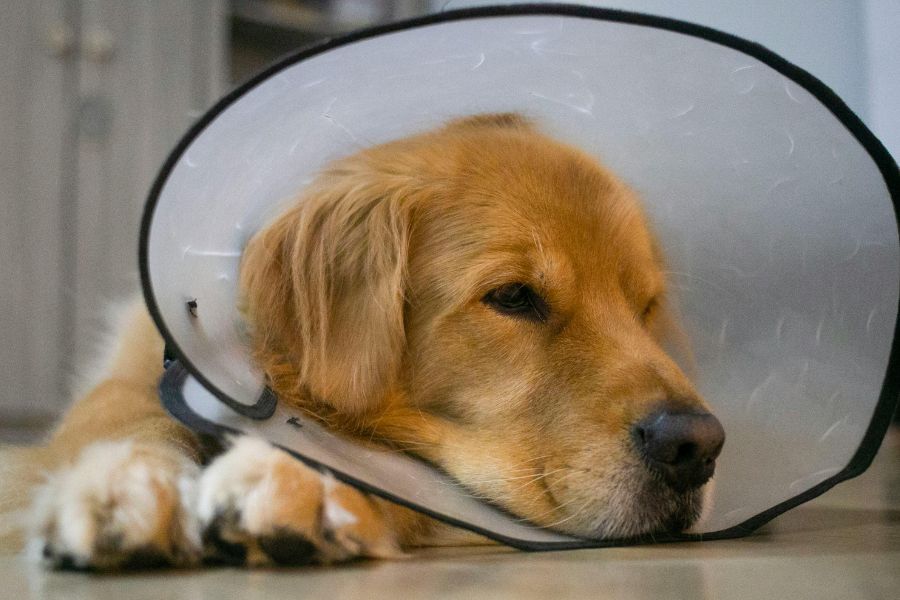
Hearing that your dog or cat may need surgery can leave you with more questions than answers. Why is surgery necessary? Are there other treatment options? What will recovery look like? Having a clear understanding of the process can make an unexpected medical situation easier to navigate.
For pet owners in Granger, IN, recognizing when a health problem may require more advanced treatment can help you seek appropriate veterinary care sooner. Some conditions can be managed with medication or monitoring, while others may require a surgical procedure to address the underlying problem.
Pet surgery may be recommended for injuries, masses, foreign objects, orthopedic conditions, and other health problems that cannot be adequately treated with conservative care. Knowing what happens before, during, and after a procedure can help you prepare for your pet’s treatment and recovery.
When Does a Pet Need Surgery?
A dog or cat may need surgery when a medical condition requires physical repair, removal, or correction that medication alone cannot provide. The decision depends on the specific diagnosis, your pet’s overall health, and available treatment options.
Common reasons a veterinarian may recommend surgery include:
- Removing certain masses or abnormal tissue
- Repairing specific injuries or damaged tissues
- Treating some intestinal or stomach obstructions
- Addressing certain orthopedic problems
- Treating wounds that require surgical repair
- Removing severely damaged or diseased tissue
- Performing procedures that cannot be safely managed through medication alone
A surgical recommendation does not automatically mean that an emergency exists. Some procedures can be planned after additional testing and discussion, while others may require more immediate attention.
How Is Surgery Recommended?
Before recommending a procedure, a veterinarian generally performs a physical examination and reviews your pet’s medical history. Diagnostic testing may also be needed to better understand the problem.
Depending on the situation, testing may include bloodwork, X-rays, ultrasound, or other diagnostic procedures. These results can help the veterinary team assess your pet’s condition and determine whether surgery is an appropriate option.
What Questions Should You Ask?
If surgery has been recommended, ask your veterinarian:
- Why is surgery being recommended?
- Are there other treatment options?
- Is the procedure urgent or can it be scheduled?
- What type of anesthesia will be used?
- What should I expect during recovery?
- What signs would require veterinary attention afterward?
Understanding the reasoning behind the recommendation can help you make a more informed decision about your pet’s care.
What Happens Before Pet Surgery?
Preparation depends on the procedure and your pet’s individual health. Your veterinary team may provide instructions about food, water, medications, and arrival time.
Pre-anesthetic testing may also be recommended. Bloodwork and other evaluations can provide information about your pet’s general health and may help identify factors that need to be considered before anesthesia.
Older pets may require additional evaluation because age-related changes or underlying conditions can affect anesthesia and recovery. Age alone, however, does not automatically prevent a pet from undergoing surgery.
What Happens During Surgery?
During a surgical procedure, anesthesia keeps your pet unconscious and prevents pain while the veterinary team performs the operation. Your pet is monitored throughout the procedure, with monitoring tailored to their health and the type of surgery.
Afterward, your pet is moved into recovery and observed as they wake from anesthesia. Some pets may be able to go home the same day, while others may need additional monitoring depending on the procedure and their condition.
What Is Recovery Like After Surgery?
Recovery varies considerably from one pet to another. Your veterinarian may recommend rest, restricted activity, medication, incision monitoring, and a follow-up examination.
At home, provide a comfortable place where your pet can rest without excessive activity. Follow all medication and activity instructions provided by your veterinary team. If your pet has an incision, prevent licking or chewing when instructed and monitor the area for unexpected changes.
[Pet wellness care] can also play an important role in maintaining your pet’s overall health and identifying problems that may require attention before they become more complicated.
When Should You Contact a Veterinarian?
Some symptoms require prompt veterinary evaluation, particularly after surgery. Significant bleeding, difficulty breathing, collapse, severe weakness, persistent vomiting, worsening pain, or an incision that opens should not be ignored.
Before your pet goes home, ask the veterinary team which changes are expected during recovery and which ones should prompt a call. If something seems unusual or your pet’s condition is getting worse, professional guidance is safer than trying to determine the cause yourself.
Surgery can be an important treatment option when a pet has a condition that cannot be adequately managed through medication or other conservative care. A thorough examination, appropriate diagnostic testing, and careful preparation can help the veterinary team determine the most suitable approach for each individual pet. University Park Veterinary Hospital can help pet owners understand their pet’s condition and the considerations involved in surgical care.
If your dog or cat has developed a health problem that may require surgery, schedule an appointment to discuss your pet’s condition, treatment options, and recommended next steps.
Frequently Asked Questions
Q1. How do I know if my pet needs surgery?
Ans: A veterinarian can determine whether surgery may be appropriate after evaluating your pet’s symptoms, medical history, examination findings, and diagnostic results. The recommendation depends on the specific condition.
Q2. Is surgery always the first treatment option?
Ans: No. Depending on the condition, medication, monitoring, rehabilitation, or other treatments may be considered. Your veterinarian can explain which options are appropriate for your pet.
Q3. How long does it take a pet to recover from surgery?
Ans: Recovery time depends on the type of procedure, your pet’s overall health, and how healing progresses. Your veterinary team can provide recovery expectations specific to the surgery.
Q4. Does University Park Veterinary Hospital evaluate pets that may need surgery?
Ans: A veterinary evaluation can help determine the cause of a pet’s health problem and whether surgical treatment may be appropriate. The recommended approach depends on the individual pet and condition.
Q5. Can older pets have surgery?
Ans: Yes, some senior dogs and cats can undergo surgery. A veterinarian may perform additional health assessments before anesthesia to identify factors that should be considered for an older pet.
Q6. What should I expect after surgery at University Park Veterinary Hospital?
Ans: Postoperative care may include medication, activity restrictions, incision monitoring, rest, and follow-up care. Specific instructions depend on the procedure and your pet’s individual needs.