310 E. University Dr Granger, IN 46530
Spay & Neuter Surgery with Compassionate Care
Spaying and neutering are among the most common surgical procedures performed at University Park Veterinary Hospital. Spaying involves the surgical removal of a female pet's ovaries and uterus, while neutering involves the removal of a male pet's testicles. Both procedures are performed under general anesthesia and are among the most routine surgeries our team handles, though we treat each one with the same careful monitoring and attention given to any other surgical case.
We are proud to provide this care for pet owners throughout Granger, South Bend, Mishawaka, Notre Dame, Elkhart, and Osceola in Indiana, as well as Niles, Buchanan, Edwardsburg, and Cassopolis in Michigan.
Benefits of Spay and Neuter
Beyond preventing unwanted litters, spaying and neutering offer real health and behavioral benefits that last a pet's entire lifetime.
- Reduced cancer risk: Spaying eliminates the risk of ovarian and uterine cancer, and greatly reduces the risk of mammary tumors, especially when performed before a pet's first heat cycle. Neutering eliminates the risk of testicular cancer.
- Prevention of uterine infections: Spaying removes the risk of pyometra, a serious and potentially life threatening uterine infection that can affect unspayed female pets.
- Reduced prostate issues: Neutering lowers the likelihood of prostate enlargement and related complications in male pets as they age.
- Calmer behavior: Many pets show reduced roaming, marking, and territorial aggression after being spayed or neutered, particularly males.
- Population control: Spaying and neutering help prevent unplanned litters, reducing the number of pets that end up in shelters or without homes.
- Fewer heat cycle related issues: Spayed female pets no longer experience heat cycles, eliminating the mess, behavioral changes, and unwanted attention from male animals that come with them.
Choosing the Right Time for Surgery
The right age for spay or neuter surgery is not the same for every pet. Traditionally, six months was considered the standard age for both surgeries, but current recommendations increasingly take breed and size into account.
Smaller dogs and cats are often still spayed or neutered around this traditional timeline, while larger breed dogs may benefit from waiting closer to twelve to eighteen months, since their growth plates take longer to close and early surgery has been linked to certain joint issues in some large breeds.
During a wellness visit, our team reviews your pet's breed, size, and health history to recommend a timeline that fits their specific needs rather than applying a one size fits all rule.
What Happens During the Procedure
Both spay and neuter surgeries are performed under general anesthesia, with your pet's safety supported by modern pre-anesthetic protocols. Before surgery, we run bloodwork to confirm that your pet's liver, kidneys, and blood counts are healthy enough for anesthesia, and for older or higher risk pets, additional testing may be recommended.
During the procedure itself, our team continuously monitors oxygen levels, heart rate, body temperature, and respirations to keep your pet safe from start to finish. Because these are internal surgeries involving general anesthesia, we treat them with the same level of care and monitoring as any other surgical procedure, not as a routine formality.
Managing Discomfort After Surgery
It is a common misconception that spay and neuter surgeries are minor procedures that cause little discomfort. In reality, spaying is a more involved abdominal surgery, and both procedures require appropriate pain management to support a smooth recovery. Every patient receives pain medication as part of their surgical protocol, and depending on the procedure, additional oral medication may be sent home to keep your pet comfortable during the days that follow. Watching for the following signs can help you recognize if your pet needs additional attention during recovery:
- Excessive licking or chewing at the incision site
- Reluctance to move, lie down, or get comfortable
- Loss of appetite lasting more than a day
- Swelling, redness, or discharge at the incision
- Unusual vocalizing, restlessness, or hiding
Caring for Your Pet After Surgery
Most pets recover from spay and neuter surgery within ten to fourteen days, though activity should be limited throughout this window to allow the incision to heal properly. This typically means avoiding running, jumping, and rough play, along with keeping your pet from swimming or bathing until fully healed.
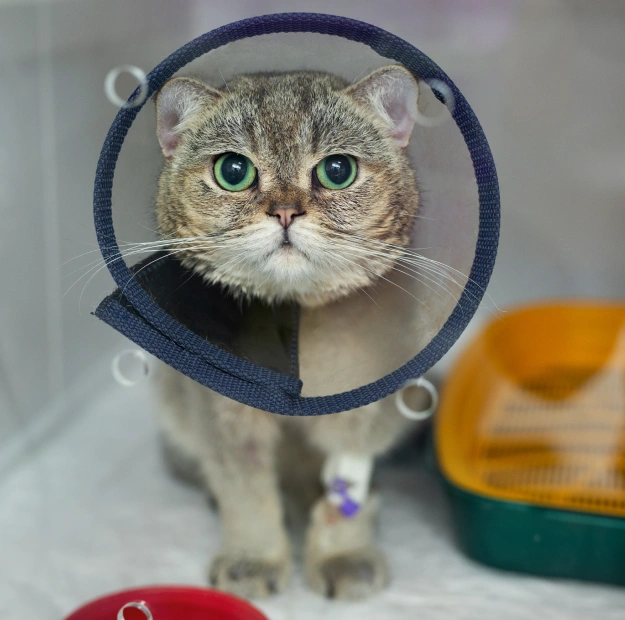
An e-collar or recovery suit is often recommended to prevent licking or chewing at the incision site, since this is one of the most common causes of post-surgical complications. Our team sends every pet home with specific aftercare instructions and remains available throughout the recovery period to answer questions or address any concerns that come up.