310 E. University Dr Granger, IN 46530
A Full Range of Surgical Care Under One Roof
Learning that your pet needs surgery can bring up a lot of questions and, understandably, some worry. At University Park Veterinary Hospital in Granger, IN, our hospital is equipped to handle most surgical procedures your pet may need, from routine spays and neuters to more advanced and delicate operations.
Our surgical team brings years of experience to every case, giving pet owners throughout Granger, South Bend, Mishawaka, Notre Dame, Elkhart, and Osceola, as well as Niles, Buchanan, Edwardsburg, and Cassopolis, confidence in their pet's surgical care.
Our Surgical Services
We offer a broad range of surgical procedures, covering everything from routine sterilization to complex orthopedic repairs.
- Spays and neuters: Routine sterilization surgery that helps prevent unwanted litters and reduces the risk of certain reproductive cancers and diseases later in life.
- Soft tissue surgery: A broad category covering procedures involving skin, muscle, and internal organs, performed with precision and careful post-operative planning.
- Abdominal surgery: Procedures involving organs within the abdominal cavity, often needed for issues affecting the stomach, intestines, spleen, or liver.
- Foreign body removal: Surgical removal of swallowed objects that have become lodged in the stomach or intestines and cannot pass on their own.
- Tumor removal: Excision of masses or growths, often paired with biopsy to determine whether further treatment is needed.
- Biopsies: Collection of tissue samples to diagnose the nature of a growth or abnormality and guide the next steps in treatment.
- Bladder surgery: Procedures to address bladder stones, tumors, or other conditions affecting the urinary tract.
- Ocular surgery: Delicate procedures involving the eyes, performed with the precision this sensitive area requires.
- C-sections: Surgical delivery for pets experiencing difficulty giving birth naturally, performed promptly to protect the health of both mother and offspring.
- Fracture repair: Treatment of open and closed fractures affecting long bones and joints, restoring stability and function.
- Dislocation and joint tumor treatment: Correction of joint dislocations and removal of tumors affecting the joints or long bones.
- Cruciate ligament repair: Surgical correction of torn cruciate ligaments, commonly known as ACL injuries, which are a frequent cause of hind leg lameness in dogs.
- Patella correction: Surgical treatment for luxating patellas, a common knee-cap issue in smaller dog breeds.
- Hip surgery: Procedures to address hip dysplasia or other joint conditions affecting mobility and comfort.
Modern Anesthesia Built Around Safety
Anesthesia has come a long way, and today's protocols are far safer than they were even a decade ago. Current pre-anesthetic medications and inhalant gas anesthetics have significantly reduced the risks associated with putting a pet under. Throughout every procedure, our patient monitors track oxygen levels, body temperature, heart rate, EKG readings, respirations, and blood pressure, giving our team a complete picture of your pet's condition from start to finish.
A thorough pre-anesthetic exam and blood testing play a major role in keeping anesthesia safe. Every pet, regardless of age, should have basic bloodwork performed beforehand to confirm that the liver, kidneys, and blood counts are healthy enough to handle anesthesia well. For senior pets or those with existing health conditions, we may recommend a more comprehensive pre-anesthetic workup to identify any additional precautions that should be taken.
Managing Pain Before, During, and After Surgery
Pain affects more than just physical comfort. It can take a real toll on a pet's overall well-being and state of mind, which is why pain management is built into every surgical procedure we perform, not added as an afterthought. Dogs and cats are instinctively skilled at hiding pain, often masking discomfort as a survival mechanism until they simply cannot compensate for it any longer. This makes it easy for pain to go unnoticed unless owners and our team know what signs to watch for.
Signs that a pet may be in pain can include:
- Depression or unusual inactivity
- Trembling or panting without an obvious cause
- Whining, whimpering, howling, or constant meowing
- Acting out of character, including hiding, aggression, or unusual submissiveness
- Standing or sitting in unusual positions, or an inability to get comfortable
- Difficulty rising, or collapsing when trying to lie down
- A stiff gait, especially after resting or first waking up
- Constant licking or chewing at a particular area of the body
- New behaviors such as chewing on furniture or inappropriate elimination
Because these signs can be subtle, our approach to pain management focuses on anticipating discomfort before it starts rather than waiting to react to it. Every surgical patient routinely receives a pain injection as part of their pre-anesthetic protocol, and depending on the procedure, additional oral pain medication may be sent home to support your pet through the following days of recovery.
What to Expect on Surgery Day
Every surgical visit begins with a review of your pet's health history and the pre-anesthetic bloodwork results to confirm they are ready for their procedure. Once cleared, your pet is placed under careful anesthetic monitoring for the duration of surgery, with our team tracking vital signs throughout. After the procedure, pets are monitored closely as they recover from anesthesia before being discharged with detailed aftercare instructions, including guidance on activity restrictions, incision care, and any medications needed to keep them comfortable at home.
Supporting Your Pet Through Recovery
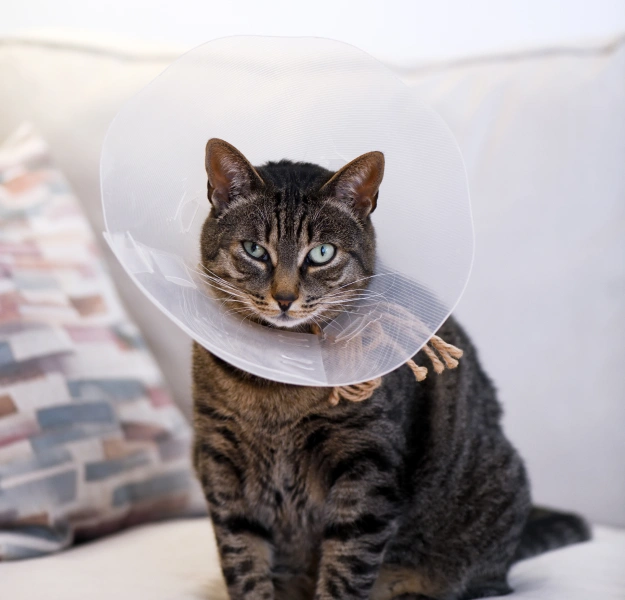
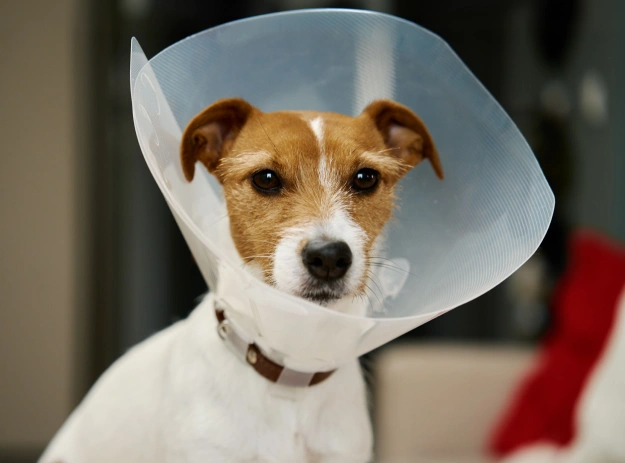
Recovery is just as important as the surgery itself. Our team sends every pet home with clear instructions tailored to their specific procedure, along with guidance on what normal healing looks like versus signs that warrant a call to our office. We remain available throughout the recovery period to answer questions and address any concerns, because a smooth recovery depends on support that does not end the moment your pet leaves the building.